
Stargazing in Merzouga
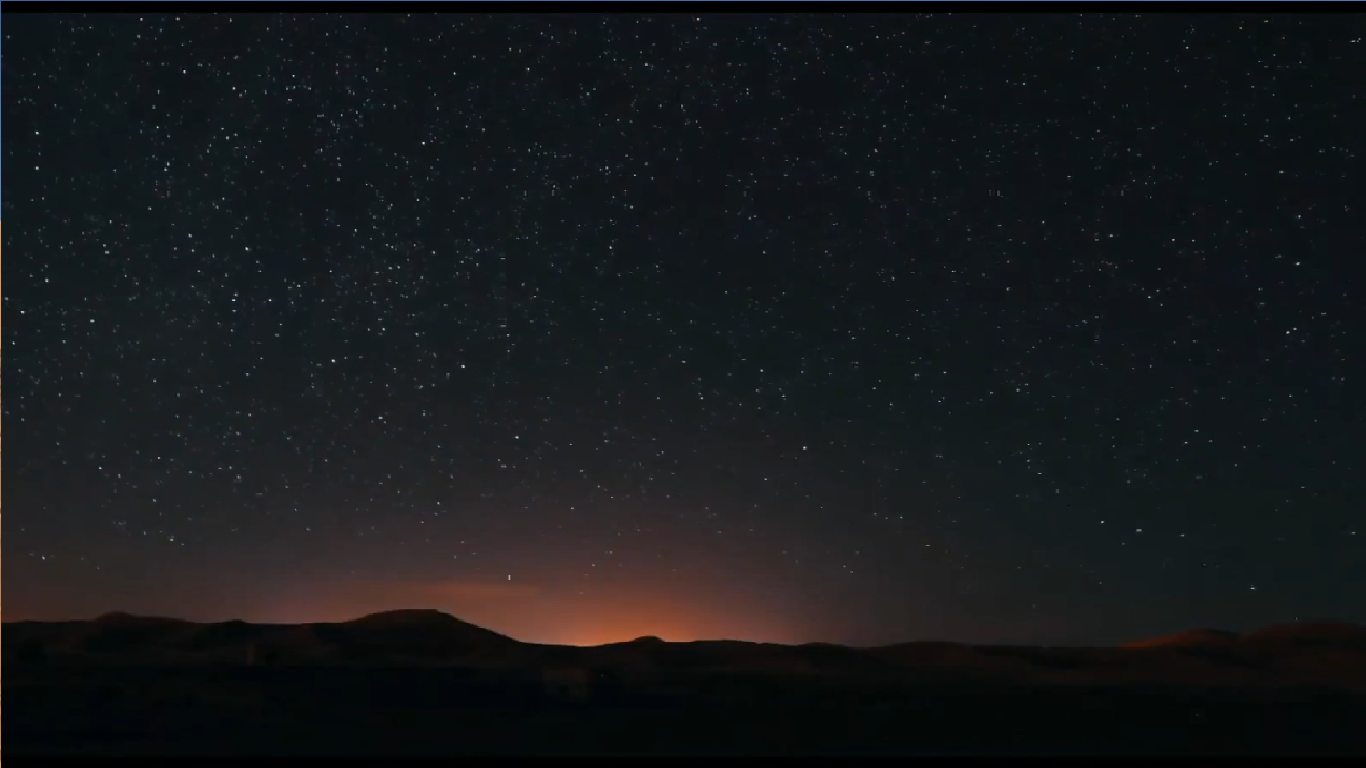
Color photo of the brilliant Milky Way stretching across the Sahara sky, with rolling sand dunes in the foreground.
Many visitors to Merzouga experience their first-ever view of the Milky Way while standing atop the golden dunes of the Sahara Desert.
The night sky above the Sahara is a vast, glittering dome filled with stars, planets, and occasional meteors—but for many people today, this sight has become rare. In cities and suburban areas, artificial lighting and air pollution dim the stars, hiding the natural beauty of the universe.
For thousands of years, desert nomads and ancient civilizations relied on the night sky to navigate, tell stories, and mark the passage of time. Only in recent generations have humans lost the opportunity to truly experience darkness.
With some of the darkest and clearest skies in North Africa, the Merzouga desert—near the iconic Erg Chebbi dunes—offers visitors an extraordinary chance to witness the Milky Way in stunning clarity, often for the first time in their lives.
Tips for Stargazing in the Sahara
Use Low Light Only
Avoid bright white flashlights, headlamps, or phone screens. It takes about 20–30 minutes for your eyes to fully adapt to darkness. Use a flashlight with a red filter or dim setting to preserve night vision.
Bring Food and Water
Plan ahead. The desert is remote, and access to shops or services at night is limited.
Layer Up
Desert temperatures can drop quickly after sunset, even in warmer months. Bring warm layers, especially during fall and winter.
Bring a Mat or Chair
You may spend long periods looking up at the sky. A blanket, mat, or lightweight folding chair will keep you comfortable while observing the stars.
Watch Your Step
Sand dunes, small rocks, and nocturnal desert animals can be difficult to see at night. Move carefully and use low lighting when needed.
Avoid the Moon
Bright moonlight reduces star visibility. Check the lunar calendar and plan your stargazing on new moon or moonless nights for the best experience.
Where to View the Stars and Milky Way in Merzouga
On a clear, moonless night, you can see countless stars from almost anywhere in the desert. However, the farther you move away from village lights, the darker the sky becomes.
Erg Chebbi Dunes
The towering dunes just outside Merzouga village are among the best stargazing locations. Climb a dune, settle in, and enjoy uninterrupted views of the Milky Way.
Desert Camps
Spend the night in Merzouga luxury desert camp. With minimal light pollution, these camp offer exceptional stargazing opportunities right outside your tent.
Deep Desert Excursions
Travel farther into the Sahara by camel or 4×4 for an even more immersive experience, completely surrounded by silence and stars.
Things to Remember
- Overnight camping should only be done in designated desert camps
- Respect the desert environment and avoid disturbing wildlife
- Always follow your guide’s instructions when stargazing in remote areas
- Wear closed-toe shoes and warm clothing at night
- Stay hydrated, even in cooler temperatures
Night Photography in the Sahara
Nighttime photo of moonlit dunes, with soft sand ripples glowing under starlight and lantern-lit desert camps in the distance.
Photography Tips for the Night Sky
Use a Tripod
A sturdy tripod is essential for sharp, vibration-free night photos.
Use Manual Camera Settings
Aperture: Use the widest aperture available (f/2.8 or lower is ideal)
ISO: Start at ISO 1600 or higher, depending on your camera
Shutter Speed: Begin with 20–25 seconds and adjust as needed
Experiment to Find the Best Results
Change one setting at a time to see how it affects your image.
Paint with Light
During long exposures, use a small flashlight to gently illuminate dunes or foreground objects. Be considerate of others and avoid disturbing wildlife.
Night Sky Experiences in Merzouga
Local guides and desert camps often offer evening stargazing sessions, including storytelling, Berber music, and explanations of constellations traditionally used by nomads for navigation.
You can also enjoy quiet moments by the campfire, listening to drums while gazing up at one of the clearest night skies on Earth.
The Night Sky by Season in the Sahara
Winter
Winter nights are longer and cooler, making them ideal for stargazing. Constellations such as Orion, Taurus, and Gemini dominate the sky. Orion’s Belt and the Orion Nebula are especially easy to spot.
Following Orion’s belt leads to Sirius, the brightest star in the night sky.
Spring
During spring, the nights remain pleasant, and Arcturus rises in the eastern sky at dusk. The constellation Leo is prominent, with the bright star Regulus marking the Lion’s heart.
Summer
Summer offers the best views of the Milky Way. On moonless nights, the galactic center shines brilliantly in the constellation Sagittarius. The Summer Triangle—Vega, Altair, and Deneb—arches overhead.
The Perseid Meteor Shower in August is a highlight, often visible from the dunes.
Fall
As nights grow longer again, the Great Square of Pegasus rises in the eastern sky. On clear nights, the Andromeda Galaxy can be seen with the naked eye as a faint, fuzzy patch, and even more clearly with binoculars.